
In about 4 weeks final exam season begins for many of us! Over the last few years I’ve refined my work with students grounded in evidence based practices. This spurred both the science of learning physics page as well as the series of posts, The ABCs of How We Learn Physics. Today I’m going to mention a few of my current favorites as we approach study season!
AP Students – Targeted Review. If you teach AP and your students are taking AP Classroom Quizzes (without immediate feedback on) you have a treasure trove of information available! While you can use the “reports” section as a teacher to see how your students are doing overall (and I’ve found this pretty much mirrors my score reports in July), did you know your students can access these as well! I think one of the most empowering things we can do for students is to teach them how to take the reigns of their own learning, and so this is something I’m intentionally implementing this year. When I initially asked students who had dug into the AP classroom reports only 1-2 students per class knew it existed. I guided students through to their data, had them find the areas they need to focus on, and then engaged them in deliberate practice, which means they focused on just that one skill for the unit exam. Leading up to finals, it would make sense to broaden this approach to maybe one of the three broader areas, but I was really happy to see that on my first attempt 80% of students who engaged in this activity authentically ended up increasing their scores, with 50% of students scoring 100% in the area they practiced! Read more about this strategy here. Next up, I’m asking students to make a tutorial video on their greatest strength to teach their peers!
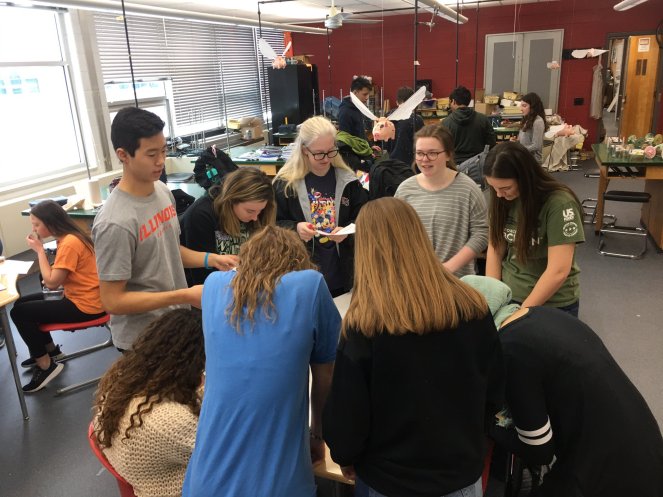
Lab Skills Blitz – This was an activity I pulled together last year. I’d like to sit down and create a similar blitz for different types of problems. In a way, it’s somewhat akin to the benefits that come from Whiteboard Speed Dating in that students are repeating a process over and over in a face-paced, low-stakes manner. I identified the skill that I wanted to emphasize: figuring out what to graph to get a straight line and determining the meaning of the slope, and then I asked students to effectively ignore most of the AP problem except for that singular skill. I was pleasantly suprised in July when my students’s highest performance (and highest comparative performance when looking at state/national averages) was on the lab based FRQ.
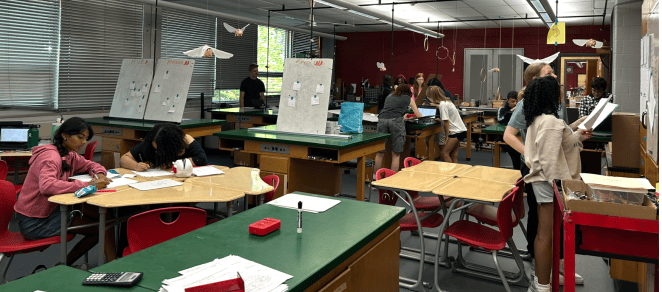
Deliberate Practice with Mild, Medium and Spicy Problems – This is an activity I do during the context of the school year, but could absolutely be set up with the goal of final review. It doesn’t take much to sort into “mild, medium and spicy”. For example, I’ve literally done it based on the number of parts to a problem (this kinematics graph shows 1, 2 or 3+ motions on the same graph). The student autonomy and repetition is what seals the deal here.


