
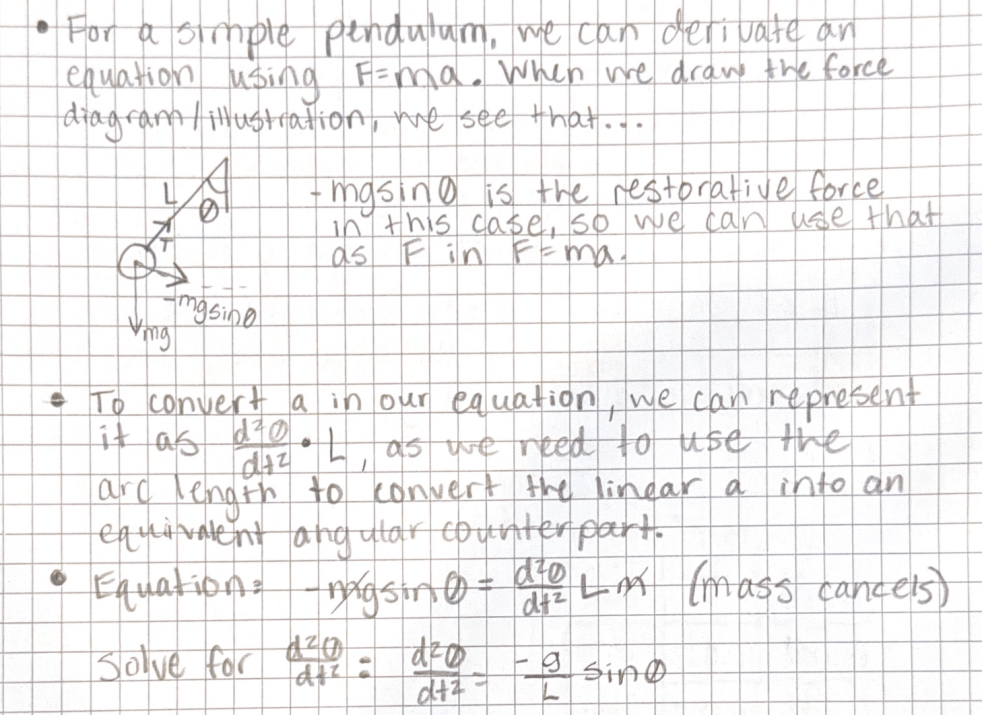
At a parenting workshop the keynote speaker used the metaphor of renting an apartment vs owning a house as an analogy to a child’s developing identity. That in the high school years, our children go from being “renters” of our family morals/values/beliefs to “owners”. This was a really powerful metaphor for me. As children (novices) we accept certain things to be true and mimic our parents because we assume that’s what we’re supposed to do. As we enter adolescence we begin to question everything, “is this what I believe to be true? Why do I believe it?” For students in my classroom, I would like to see the same shifts in their attitudes towards science. That what we learn is true not because I told them so, but because they have enough understanding and evidence to know what is true.
In order for this to happen, students must move from passive receivers of knowledge to active aquirers of it. This is where self-explaination comes in. Self-explanation is about making meaning of content and trying to undersand the what is being presented by the text/author/video/diagram. In other words, self-explanation is about metagognition.
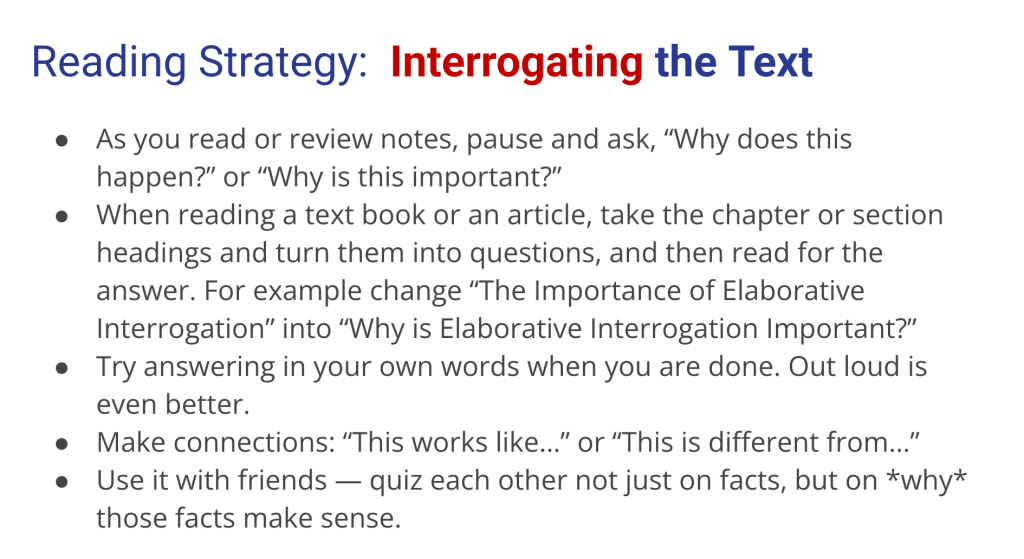
In the Elaboration post we discussed the strategy of elaborative interrogation of a text. Essentially, we ask students to read their textbook while having a conversation with themselves: does this make sense? Why is this true? How does this connect to the previous example or what we did in class? By actively asking and looking for the answers to these questions as we read, we are engaging with the text in a far more active manner than simply reading it.
The slide below summarizes the main points of interrogation
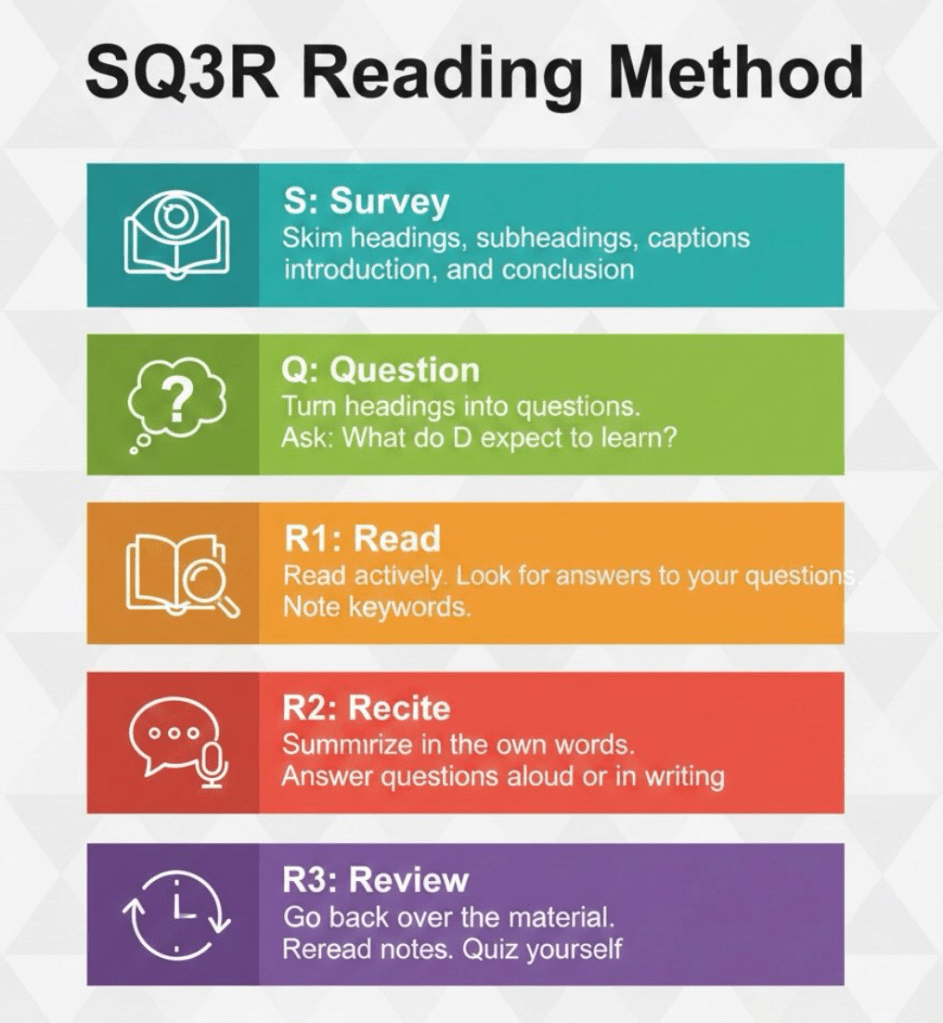
Another name for active reading is the SQ3R Reading method which reiterates most of the bullets in the slide above.
Regardless of what you call the method, the goal is active reading of the text.
At some point well before my own entrance into education, many high school educators decided to forego the traditional textbook. I imagine there are a great many reasons for this, however after a decade of teaching the same way I was taught, I now firmly believe that we are doing our students a disservice by not using and instructing them on how to actively engage with a textbook.
I believe this even more strongly for our content as science educators where the content in the book itself requires a different kind of interrogation than it might if it were a history text. In a history text we are seeking for connections between persons and events, but in a science text we are looking to make connections between ideas, concepts, representations and mathematics. I distinctively remember as a student skipping the example problems because I assumed “we covered this in class” or not knowing how to use the example problem to my advantage.
What makes for a good self-explainer? Clearly a good self-explainer is a really smart student, and that isn’t going to be effective for everyone.
This actually isn’t true. As it turns out, a good self-explainer will find their base comprehension being comparable to a peer with poor self-explaining skills however the good self-explainer is nine-times more effective at identifying their comprehension failures, which allows them to find a path to act on that failure. This is what we want from our students!
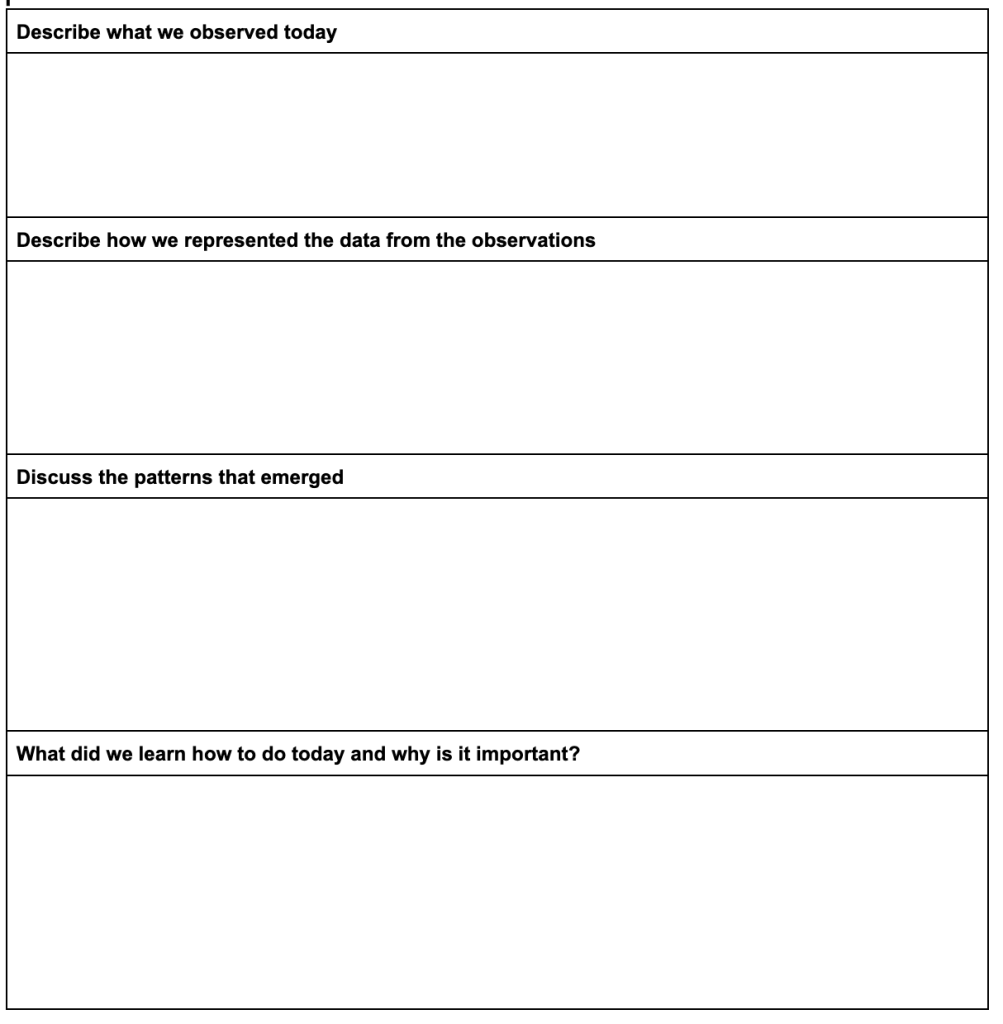
I’m thinking a lot this year about how to make these processes more explicit for students and how to get them to better engage in these processes. One piece to this puzzle, I believe, is the incorporation of the reflective component into each aspect of learning. After every lesson or activity students need to be able to answer the question “What did you learn today? How did you learn it?”
I’m working on a template for this, the rough draft for observational experiments is below:
When I’ve had students struggling to perform on exams, I would share with them that one of my personal strategies was to make “teacher notes”. Essentially I would create two-column notes where the left hand side had the steps to the problem and the right hand side was my verbal explanation of the steps. Students who have taken me up on this have found it to be immensely help. This idea is also the foundation of why I require detailed lab theories written prior to students engaging with a lab.
The most critical outcome of self-explaination is the construction of the mental models. These mental models allow people people can draw inferences about new, relevant problems and to learn subsequent, related information more effectively. If our goal as educators is move students from passive receivers of knowledge to active producers of knowledge, then supporting student ownership and independent mental-model building is critical.


