
How many times have you heard a student claim “I’m not a math person.” Better yet, how many times have you heard a peer or colleuge say something to the same effect when you tell them you teach physics! It’s typically followed up with “you must be really smart” or “I’m not smart enough for ____”. Coaching our students through their low self-efficacy in physics is often one of the greatest initial challenges in our classrooms.
Albert Bandura writes, “Self-belief does not necessarily ensure success, but self-disbeleif assuredly spawns failure (1997). Bandura describes four factors that influence people’s self-efficacy: mastery experiences to build previous success, seeing others like you achieve similar goals, hearing that you can do this, and an awareness of the time and effort required to be successful. Of these four, three are also identified in the body of research around physics identities which are critical to persistence in physics classes. (We discussed some of this in the Belonging section). In addition to some of the activities listed there, engaging our students in the learning process is also important!
For 10 years the American Institute of Physics has put together a series of lesson plans that highlight a variety of underrepresented groups within the field (click here and scroll down) The lesson plans tie together physics content with the stories of various scientists that tell of their journey, struggles and success. Hearing these stuggles and seeing a variety of people represented are both critical features to supporting our students’ self-efficacy. It also provides a more-full picture of the history of our field. (Like my friend Elissa says, we are all teachers of history in our classrooms)
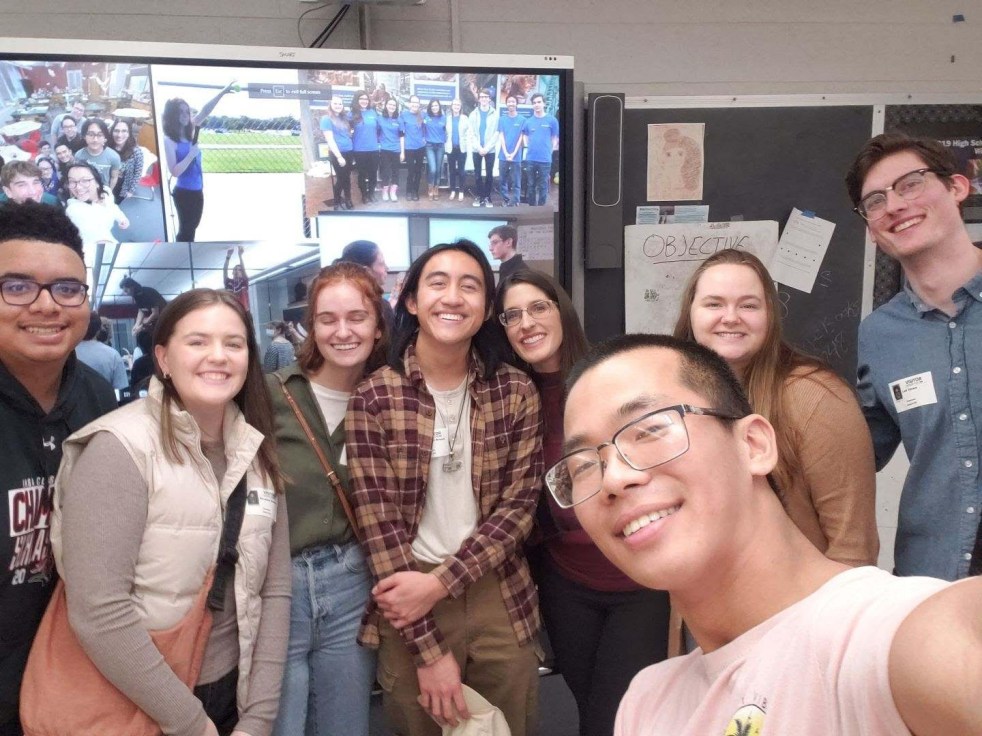
Another strategy that is helpful is when students can hear about success from a former student. For years I’ve had an alumni wall posted by my door to share their stories. A few years ago I was particularly concerned about the future of my AP Physics C enrollment. I specifically reached out to alumni who had taken AP Physics C and were in all walks of life to come and speak to my current students. It was one of the very few times I offered extra credit as a reward. On a personal level, I was not prepared for the joy that I experienced that day when a decade worth of former students showed up.
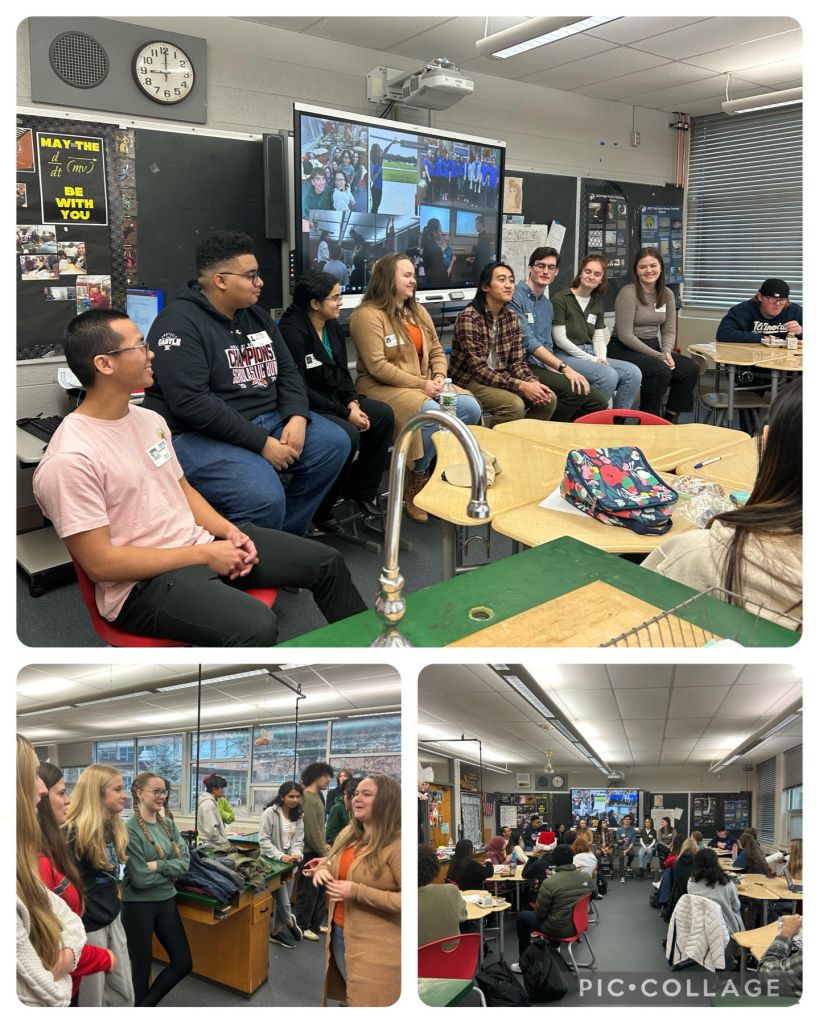
On a professional level I was so impressed by what happened next. I had students I hadn’t even considered might want to take AP Physics C eager to take the course! The panel was primarily focused on college and beyond, but I did let them know that course selection was on the horizon. After a 25 minute panel we broke out into small groups for engineering, healthcare and physics for students to have a more intimate conversation. This is an experience I’m particularly looking forward to bringing back next year at my new district. When I learned about the “Teach Yourself How to Learn” workshop from Aaron Titus, the power of student testimonials was also strongly iterated.
Lastly, I cannot undervalue the importance of each of us being that coach and support for our students. Finding any moment where our students are doing anything right and praising their efforts of working hard and finding a solution.
This is the last of the posts in this series about strategies for supporting student learning in physics as the final chapter in the original book is Z is for Zzzz The Importance of Sleep. Rhett Allain frequently shares that his primary reason for blogging is to remind himself of the things he’s done before. This project has been an opportunity for my own self-reflection on my practice. So often as educators we try and find things that work. At the same time we don’t always know the evidence behind it. When I attended institute day in April our EduInfluencer speaker said that his research showed educators could only name and describe three strategies. (Describe the actual science/evidence behind it). He said you won’t find this research anywhere because he doesn’t want to publish something that reflects back poorly on our profession. But this is something we need to be talking about in our professional circles! We need to have discussions grounded in evidence. We need to be ok with challenging each other when we are not working with the highest expectations of ourselves as professionals. We need to stop giving the public reason to believe we are replaceable by being able to knowledgeably talk about the art and craft of teaching as a rigorous field of science in the same way that we can talk about physics. If you’ve read 3, 5, 25 of this posts thanks for taking the ride with me this spring. I hope to connect with many of you at AAPT Pasadena!

